![lodo ncr [recovered] png (1)](https://ncrfarms.in/wp-content/uploads/2025/12/cropped-lodo-NCR-Recovered-png-1-2-192x64.png)
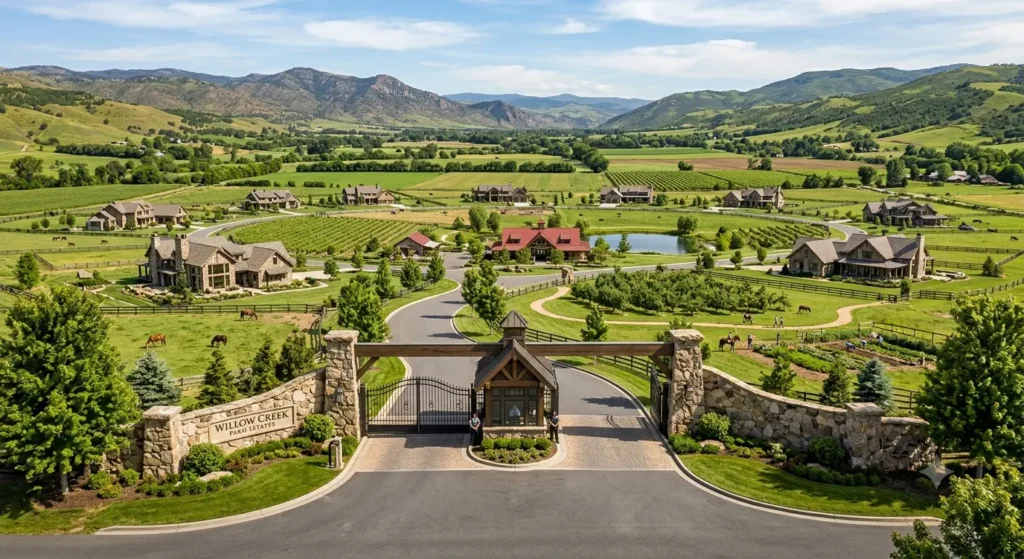
The investment landscape in India is evolving rapidly, and High Net-Worth Individuals (HNIs) are rethinking where to allocate their capital. While commercial properties such as office spaces, retail outlets, and business parks have traditionally been preferred for wealth creation, a noticeable trend in 2026 is the growing interest in gated farm communities. Investors are increasingly choosing premium farmland over conventional commercial real estate, driven by changing lifestyle preferences, infrastructure development, and long-term appreciation potential.
This shift is especially visible in emerging investment destinations near Delhi NCR, where gated farmland projects are attracting HNIs seeking both financial growth and a healthier way of living. Understanding why this transition is happening can help investors identify opportunities that align with future market trends.
The Changing Investment Preferences of HNIs
For many years, commercial property was considered one of the most reliable investment options because of rental income and business demand. However, recent market dynamics have encouraged investors to diversify their portfolios.
Today’s HNIs are looking beyond traditional asset classes. They want investments that offer:
- Long-term capital appreciation
- Portfolio diversification
- Tangible asset ownership
- Lifestyle benefits
- Lower maintenance costs
- Future development potential
Gated farm communities satisfy many of these expectations by combining investment value with recreational and lifestyle advantages.
Understanding Gated Farm Communities
A gated farm community is a planned development that offers individually owned farmland plots within a secure and professionally managed environment. These projects often include internal infrastructure, landscaped roads, security systems, water supply, electricity, plantations, and recreational amenities.
Unlike isolated agricultural land, gated farm communities provide organized ownership, easier maintenance, and a more attractive environment for both investors and end users.
Many projects are located within a short driving distance from major cities, making them ideal for weekend retreats or second homes.
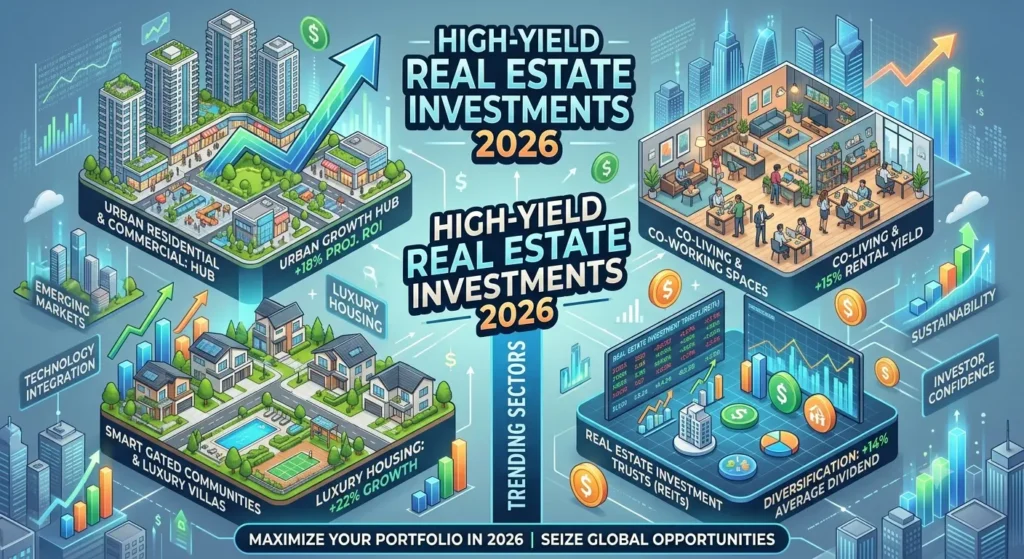
Commercial Property: Strengths and Challenges
Commercial real estate continues to be an important investment option, but it also presents several challenges that have prompted some HNIs to explore alternatives.
Advantages of Commercial Property
- Regular rental income
- Potential for long-term appreciation
- Strong demand in established business districts
- Suitable for institutional investors
Challenges in 2026
Commercial investments may involve:
- High acquisition costs
- Large capital requirements
- Vacancy risks
- Maintenance expenses
- Market fluctuations
- Dependence on business occupancy
In addition, changing work patterns, including hybrid and remote work models, have influenced demand in some office markets, encouraging investors to diversify into other real estate segments.
Why Farmland is Becoming a Preferred Investment
Farmland has transformed from a purely agricultural asset into a strategic real estate investment. Premium gated farmland projects offer the potential for wealth creation while also providing lifestyle and environmental benefits.
Several factors are driving this trend.
1. Strong Capital Appreciation Potential
Infrastructure projects such as expressways, industrial corridors, and regional development plans have significantly increased the attractiveness of farmland near major cities.
As connectivity improves, land values in emerging locations often appreciate faster than many mature commercial markets.
Early investors can benefit from long-term price growth as surrounding areas develop.
2. Affordable Entry Compared to Commercial Assets
Commercial properties in metropolitan cities often require substantial investment.
Premium farmland offers HNIs an opportunity to acquire larger land parcels with comparatively lower capital outlay while maintaining excellent appreciation potential.
This affordability also allows investors to diversify across multiple locations.
3. Growing Demand for Nature-Centric Living
Lifestyle preferences have changed considerably over the past few years.
Many affluent families now prioritize:
- Clean air
- Green surroundings
- Privacy
- Wellness
- Sustainable living
- Weekend relaxation
Gated farm communities meet these expectations by offering peaceful environments without sacrificing accessibility to urban centers.
Infrastructure Development is Driving Demand
Infrastructure remains one of the biggest drivers of land appreciation.
Projects such as:
- Delhi-Mumbai Expressway
- Dwarka Expressway
- Regional Ring Roads
- Industrial Corridors
- Logistics Parks
are transforming nearby regions into future investment hubs.
As travel times decrease, farmland located within one to three hours of major cities becomes increasingly desirable for both investment and leisure purposes.
Diversification Reduces Portfolio Risk
Experienced investors understand the importance of diversification.
Instead of concentrating capital entirely in commercial offices or retail properties, many HNIs are balancing their portfolios by investing in:
- Commercial real estate
- Residential property
- Premium farmland
- Agricultural assets
- Alternative investments
This diversified approach helps reduce exposure to fluctuations in any single market segment.
Lifestyle Value Beyond Financial Returns
Unlike commercial buildings, farmland offers emotional and lifestyle value.
Owners can enjoy:
- Weekend vacations
- Organic farming
- Family gatherings
- Eco-friendly living
- Plantation activities
- Wellness retreats
Many investors appreciate owning an asset that delivers both financial returns and personal enjoyment.
Professionally Managed Farm Communities
Modern gated farmland developments provide professional management services that simplify ownership.
These services may include:
- Security
- Boundary maintenance
- Plantation management
- Water systems
- Road maintenance
- Landscaping
- Property management
As a result, investors can own farmland without worrying about day-to-day operational responsibilities.
Increasing Interest from Delhi NCR Investors
High yield real estate investments 2026 has become one of the largest sources of demand for gated farm communities.
Affluent buyers are exploring destinations within comfortable driving distance where they can enjoy spacious open landscapes while benefiting from long-term appreciation.
Emerging regions in Rajasthan, Haryana, and nearby states are witnessing growing interest because they combine affordability with strong infrastructure development.
Sustainability is Influencing Investment Decisions
Environmental awareness has become an important consideration for many HNIs.
Farmland investments align well with sustainability goals by encouraging:
- Tree plantations
- Water conservation
- Organic farming
- Biodiversity
- Green development
Many gated farm projects integrate eco-friendly planning, making them attractive for environmentally conscious investors.
Key Considerations Before Investing
Before investing in a gated farm community, buyers should carefully evaluate:
- Legal ownership documents
- Land conversion status
- Developer reputation
- Infrastructure connectivity
- Future development plans
- Availability of utilities
- Maintenance arrangements
- Security features
Conducting proper due diligence helps ensure a secure and rewarding investment.
The Future of Gated Farm Communities
Industry experts expect gated farmland developments to continue gaining popularity in the coming years.
Growing urbanization, rising land scarcity near metropolitan cities, expanding infrastructure, and changing lifestyle preferences are creating favorable conditions for long-term appreciation.
As more HNIs seek investments that combine financial growth with quality of life, gated farm communities are likely to become an increasingly important segment of India’s real estate market.
Conclusion
The comparison between farmland and commercial property is no longer straightforward. While commercial real estate continues to play an essential role in wealth creation, gated farm communities are emerging as a compelling alternative for High Net-Worth Individuals in 2026.
With lower entry costs, strong appreciation potential, improved connectivity, professional management, and an unmatched lifestyle experience, premium farmland offers a unique blend of investment security and personal enjoyment.
For investors looking to diversify their portfolios while benefiting from India’s ongoing infrastructure expansion, gated farm communities represent a forward-looking opportunity. As demand continues to rise, those who invest early in well-planned projects near developing infrastructure corridors may be well-positioned to benefit from significant long-term value creation.
Frequently Asked Questions (FAQs)
1. Why are HNIs investing in gated farm communities instead of commercial property in 2026?
High Net-Worth Individuals (HNIs) are increasingly investing in gated farm communities because they offer long-term capital appreciation, portfolio diversification, lower maintenance costs, and lifestyle benefits. Improved infrastructure, such as expressways and industrial corridors, has also boosted the investment potential of premium farmland.
2. How does farmland compare to commercial property as an investment?
Commercial property is known for generating rental income, while farmland is primarily valued for its appreciation potential. Gated farm communities also provide recreational and lifestyle advantages, making them an attractive option for investors seeking both financial growth and personal enjoyment.
3. What are the advantages of investing in gated farm communities?
Gated farm communities offer secure ownership, planned infrastructure, internal roads, professional maintenance, landscaped surroundings, water and electricity facilities, and 24/7 security. These features make farmland ownership more convenient and attractive than traditional agricultural land.
4. Is farmland a good long-term investment in 2026?
Yes. Premium farmland located near major infrastructure projects and growing urban centers has shown strong appreciation potential. As connectivity improves and demand for nature-centric living increases, gated farmland communities are expected to remain a promising long-term investment option.
5. Why is infrastructure important for farmland appreciation?
Infrastructure projects such as the Delhi-Mumbai Expressway, new highways, and industrial corridors improve accessibility and attract residential, commercial, and tourism development. This increased demand often leads to higher land values in nearby areas, benefiting farmland investors.
6. What should investors check before purchasing farmland in a gated community?
Before investing, buyers should verify land ownership documents, legal approvals, zoning regulations, developer credibility, road connectivity, utility availability, maintenance services, and future development plans. Proper due diligence helps ensure a safe and secure investment.
7. Can gated farmland provide lifestyle benefits in addition to financial returns?
Yes. Many gated farm communities are designed to support a healthy and peaceful lifestyle. Owners can use their land for weekend getaways, organic farming, tree plantations, family gatherings, or future farmhouse construction while also benefiting from long-term property appreciation.
8. Is now the right time to invest in gated farm communities?
Many market experts believe that investing during the early stages of infrastructure-led development can offer better appreciation potential. As demand for premium farmland continues to grow and more gated projects are launched, early investors may benefit from higher long-term returns compared to waiting until prices rise further.