![lodo ncr [recovered] png (1)](https://ncrfarms.in/wp-content/uploads/2025/12/cropped-lodo-NCR-Recovered-png-1-2-192x64.png)
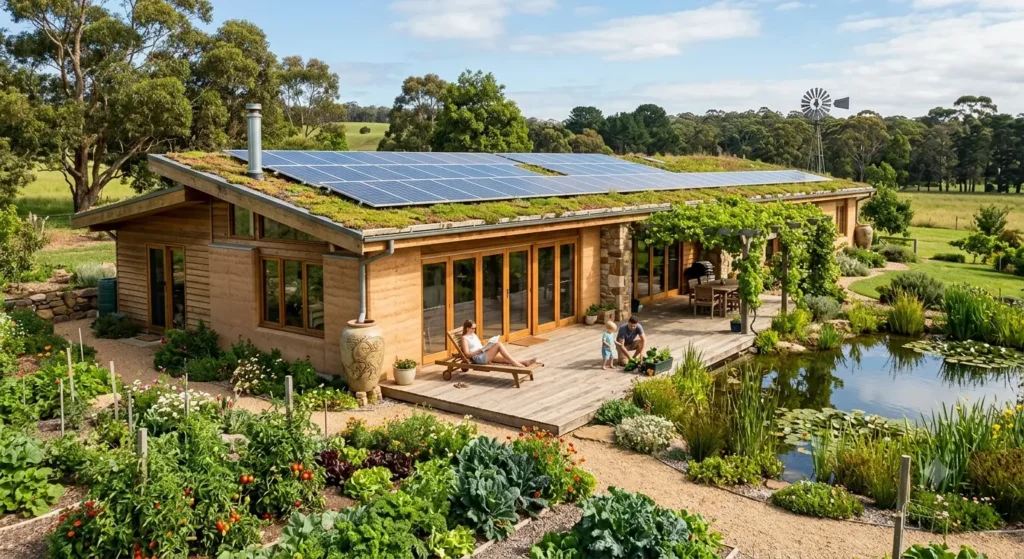
As people become more conscious of environmental conservation and healthy living, eco friendly farmhouse architecture has emerged as one of the most popular trends in modern real estate. Homeowners are no longer looking for just beautiful farmhouses—they want homes that blend luxury, comfort, and sustainability. Eco-friendly farmhouse architecture focuses on reducing environmental impact while creating energy-efficient, healthy, and aesthetically pleasing living spaces.
Whether you’re planning a weekend retreat or a permanent residence, designing an eco-friendly farmhouse can help you enjoy nature while minimizing your carbon footprint.
What Is Eco Friendly Farmhouse Architecture?
Eco friendly farmhouse architecture is a design approach that uses sustainable materials, energy-efficient technologies, and environmentally responsible construction practices. The goal is to create homes that consume fewer natural resources while providing maximum comfort and durability.
These farmhouses are thoughtfully designed to make the best use of natural light, fresh air, rainwater, and renewable energy sources. The result is a home that is both environmentally responsible and cost-effective over the long term.
Why Eco Friendly Farmhouse Architecture Is Gaining Popularity
With increasing awareness of climate change and rising energy costs, more people are choosing sustainable homes. Farmhouses offer the perfect opportunity to integrate eco-friendly features because they are usually built on larger plots surrounded by natural landscapes.
Some of the key reasons for this growing trend include:
- Lower electricity and water bills
- Healthier indoor living environment
- Reduced environmental impact
- Better energy efficiency
- Long-term cost savings
- Increased property value
- Improved air quality
- Strong connection with nature
Key Features of Eco Friendly Farmhouse Architecture
Sustainable Building Materials
The foundation of an eco-friendly farmhouse begins with environmentally responsible materials. Popular choices include:
- Reclaimed wood
- Natural stone
- Bamboo
- Fly ash bricks
- Compressed earth blocks
- Recycled steel
- Low-VOC paints
- Sustainable timber
These materials reduce waste and require fewer natural resources compared to conventional construction materials.
Natural Ventilation
Proper airflow is one of the most important aspects of eco-friendly design. Large windows, ventilated roofs, courtyards, and strategically placed openings allow fresh air to circulate throughout the farmhouse, reducing the need for air conditioning.
Maximum Natural Lighting
Large glass windows, skylights, and open layouts allow sunlight to illuminate interior spaces throughout the day. This reduces electricity consumption while creating a bright and welcoming atmosphere.
Solar Energy Integration
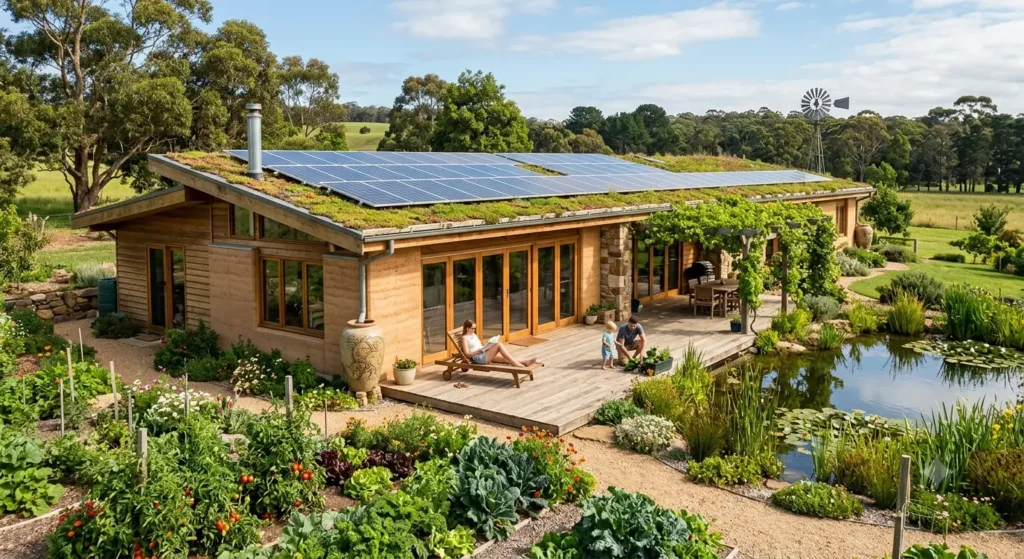
Installing solar panels enables homeowners to generate clean electricity and reduce dependence on conventional power sources. Solar-powered water heaters and outdoor lighting further enhance energy efficiency.
Rainwater Harvesting
Rainwater harvesting systems collect and store rainwater for gardening, landscaping, and other non-potable uses. This helps conserve groundwater and reduces water consumption.
Energy-Efficient Appliances
Modern eco-friendly farmhouses use LED lighting, inverter air conditioners, energy-efficient refrigerators, and smart home systems to reduce electricity usage without compromising comfort.
Smart Design Principles
An eco-friendly farmhouse is designed to work with nature rather than against it. Important architectural principles include:
Site Orientation
Positioning the farmhouse to capture natural sunlight and prevailing winds improves energy efficiency while maintaining comfortable indoor temperatures.
Open Floor Plans
Open layouts encourage better air circulation and allow natural light to reach every room, reducing reliance on artificial lighting.
Green Roofs and Vertical Gardens
Adding rooftop gardens or green walls improves insulation, lowers indoor temperatures, enhances biodiversity, and creates visually appealing outdoor spaces.
Outdoor Living Areas
Verandas, patios, pergolas, and landscaped courtyards provide additional living space while encouraging outdoor activities and stronger connections with nature.
Water Conservation Strategies
Water management plays a crucial role in eco friendly farmhouse architecture. Effective methods include:
- Rainwater harvesting
- Drip irrigation systems
- Water-efficient plumbing fixtures
- Greywater recycling
- Native drought-resistant plants
- Smart irrigation controllers
These measures help conserve water while supporting sustainable landscaping.
Landscaping for Sustainability
The surrounding landscape is just as important as the farmhouse itself. Sustainable landscaping practices include:
- Planting native trees and shrubs
- Organic vegetable gardens
- Fruit orchards
- Composting organic waste
- Pollinator-friendly flowering plants
- Natural ponds
- Minimal chemical fertilizers
A thoughtfully designed landscape enhances biodiversity while creating a peaceful and productive environment.
Advantages of Eco Friendly Farmhouse Architecture
Lower Operating Costs
Energy-efficient systems reduce monthly electricity and water bills, making the farmhouse more economical over time.
Healthier Lifestyle
Natural ventilation, reduced chemical exposure, and abundant greenery contribute to better indoor air quality and overall well-being.
Environmental Protection
Using renewable energy, conserving water, and reducing waste helps minimize the farmhouse’s environmental impact.
Higher Property Value
As sustainability becomes more important to buyers, eco-friendly farmhouses often attract greater demand and stronger resale value.
Long-Term Durability
Sustainable construction materials are designed for durability and require less maintenance, reducing long-term ownership costs.
Tips for Building an Eco-Friendly Farmhouse
Before beginning construction, keep these recommendations in mind:
- Choose a site with minimal environmental disruption.
- Work with architects experienced in sustainable design.
- Select locally sourced building materials whenever possible.
- Incorporate solar energy systems during the planning stage.
- Install rainwater harvesting and water recycling systems.
- Use energy-efficient windows and insulation.
- Preserve existing trees whenever feasible.
- Plan for future upgrades such as electric vehicle charging or battery storage.
The Future of Sustainable Farmhouse Living
As environmental awareness continues to grow, eco friendly farmhouse architecture is becoming a preferred choice for homeowners and investors alike. Advances in green building technologies, renewable energy, and sustainable construction practices are making eco-friendly homes more practical and accessible.
Future farmhouse communities are expected to include smart energy management, waste recycling systems, community gardens, and environmentally responsible infrastructure, creating healthier and more resilient living environments.
Conclusion
Eco friendly farmhouse architecture combines modern comfort with responsible environmental practices, offering a sustainable way to enjoy countryside living. By using renewable energy, conserving water, maximizing natural light, and selecting sustainable materials, homeowners can build beautiful farmhouses that are efficient, durable, and environmentally conscious.
Whether you’re planning a family retreat, a retirement home, or an investment property, adopting eco-friendly architectural principles can help create a farmhouse that benefits both your lifestyle and the planet for generations to come.
Frequently Asked Questions (FAQs) – Eco Friendly Farmhouse Architecture
1. What is eco friendly farmhouse architecture?
Eco friendly farmhouse architecture is a sustainable approach to designing and building farmhouses using environmentally responsible materials, energy-efficient systems, and natural resources. It focuses on reducing environmental impact while creating comfortable and healthy living spaces.
2. What are the benefits of eco friendly farmhouse architecture?
Eco friendly farmhouse architecture offers several advantages, including lower energy bills, improved indoor air quality, water conservation, reduced carbon emissions, long-term cost savings, and a healthier lifestyle surrounded by nature.
3. Which materials are commonly used in eco friendly farmhouse architecture?
Sustainable materials such as reclaimed wood, bamboo, natural stone, fly ash bricks, compressed earth blocks, recycled steel, and low-VOC paints are commonly used to create durable and environmentally friendly farmhouses.
4. How does eco friendly farmhouse architecture save energy?
It saves energy by incorporating features like solar panels, natural ventilation, proper insulation, energy-efficient windows, LED lighting, and smart home technologies that reduce electricity consumption.
5. Is rainwater harvesting important in eco friendly farmhouse architecture?
Yes. Rainwater harvesting is an essential feature that collects and stores rainwater for gardening, landscaping, and other non-drinking purposes, helping conserve water and reduce dependence on groundwater.
6. Can eco friendly farmhouse architecture reduce maintenance costs?
Yes. High-quality sustainable materials and energy-efficient systems are often more durable and require less maintenance, helping homeowners save money over the long term.
7. Is eco friendly farmhouse architecture suitable for all climates?
Yes. Eco-friendly farmhouse designs can be adapted to different climates by using climate-responsive architecture, proper insulation, natural ventilation, shading techniques, and locally sourced building materials.
8. Does eco friendly farmhouse architecture increase property value?
Many buyers prefer sustainable homes because of their lower operating costs, modern features, and environmental benefits. As a result, eco-friendly farmhouses often have strong resale value and growing market demand.
9. What features should an eco friendly farmhouse include?
A well-designed eco-friendly farmhouse may include solar energy systems, rainwater harvesting, energy-efficient appliances, natural lighting, cross ventilation, sustainable building materials, organic gardens, and water-saving fixtures.
10. Why is eco friendly farmhouse architecture becoming more popular?
The growing focus on sustainability, environmental conservation, healthier living, and rising energy costs has increased demand for eco-friendly farmhouse architecture. Homeowners are choosing green homes that offer comfort, efficiency, and long-term value while reducing their environmental footprint.