![lodo ncr [recovered] png (1)](https://ncrfarms.in/wp-content/uploads/2025/12/cropped-lodo-NCR-Recovered-png-1-2-192x64.png)
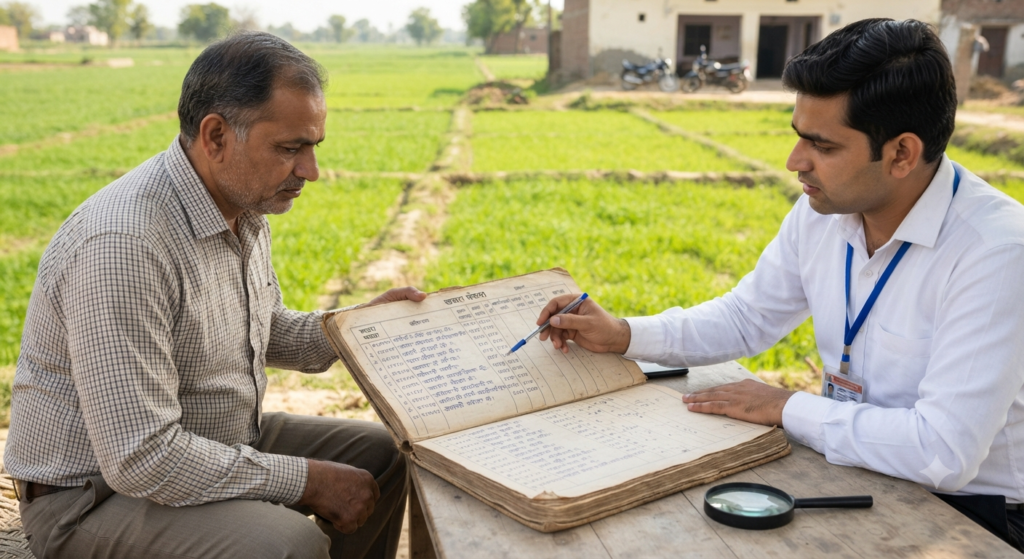
If you’re planning to buy agricultural land, farmland, or rural property in India, you’ve probably come across the term Khasra Number. While it may seem like just another legal term, understanding the Khasra Number is essential for verifying land ownership and ensuring a secure property transaction.
In this guide, we’ll explain what a Khasra Number is, why it matters, how it differs from other land records, and how you can use it to verify land details before investing.
What is a Khasra Number?
A Khasra Number is a unique identification number assigned to a specific parcel of agricultural or rural land by the Revenue Department. It serves as the official identity of a piece of land within a village.
Just as a house in a city has a property number, agricultural land is identified through its Khasra Number. This number helps government authorities maintain accurate land records and simplifies ownership verification.
Why is a Khasra Number Important?
The Khasra Number is one of the most important details in land documentation. It enables buyers, sellers, banks, and government authorities to identify a particular plot without confusion.
Benefits of a Khasra Number
- Identifies a specific land parcel
- Helps verify legal ownership
- Prevents disputes over land boundaries
- Supports land registration and mutation
- Assists in obtaining agricultural loans
- Makes land record searches easier
- Reduces the risk of fraudulent transactions
What Information is Linked to a Khasra Number?
A Khasra Number is connected to several important land details, including:
- Land owner’s name
- Total land area
- Village name
- Tehsil and district
- Type of land
- Agricultural use
- Revenue details
- Cultivation records
- Mutation status
- Survey information
These records help establish the legal identity and status of the land.
Difference Between Khasra Number and Khata Number
Many people confuse these two terms, but they have different purposes.
| Khasra Number | Khata Number |
|---|---|
| Identifies an individual land parcel | Identifies the owner’s account |
| Plot-specific number | Owner-specific record |
| Used to locate land | Used to identify land ownership holdings |
| One owner may have multiple Khasra Numbers | One Khata may include several Khasra Numbers |
Understanding both is essential when verifying land records.
Khasra Number vs. Jamabandi
Another common point of confusion is the difference between a Khasra Number and Jamabandi.
| Khasra Number | Jamabandi |
| Unique ID for a land parcel | Complete record of land ownership |
| Identifies the plot | Identifies the owner and land details |
| Used for land location | Used for ownership verification |
| Appears in revenue records | Includes multiple Khasra entries where applicable |
Together, these records provide a complete picture of a property’s legal status.
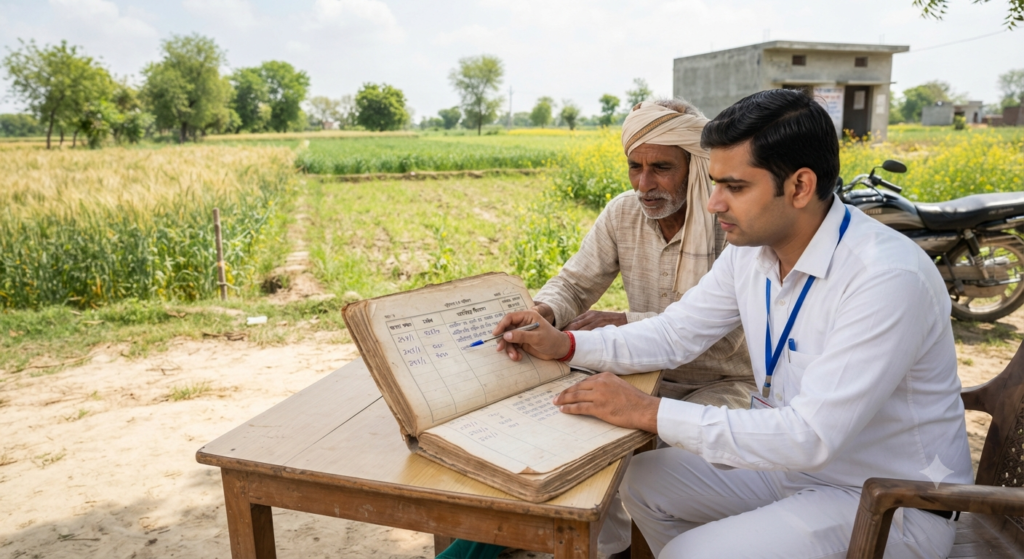
Why Should You Verify the Khasra Number Before Buying Land?
Before purchasing any agricultural or rural property, verifying the Khasra Number is a critical step in due diligence.
It helps you:
- Confirm that the land exists in official records
- Match the seller’s documents with government records
- Verify the exact location and boundaries
- Check whether the land is free from ownership disputes
- Ensure the property details are accurate
This simple verification can help avoid future legal complications.
How to Find a Khasra Number
You can usually locate the Khasra Number through:
- Existing land ownership documents
- Sale deed
- Jamabandi records
- Mutation records
- Revenue department records
- Official state land records portal
Many state governments now offer online access to land records, making verification easier than ever.
Common Uses of a Khasra Number
The Khasra Number is required in several land-related processes, such as:
- Buying or selling land
- Property registration
- Mutation of ownership
- Land surveys
- Agricultural loan applications
- Court cases related to land
- Government compensation claims
- Revenue record verification
Common Mistakes Buyers Should Avoid
Many buyers overlook important verification steps. Avoid these mistakes:
- Buying land without checking the Khasra Number
- Accepting outdated land records
- Ignoring discrepancies in land boundaries
- Not matching the Khasra Number with the sale deed
- Failing to verify mutation status
- Relying only on verbal assurances
Always compare the Khasra Number across all relevant documents before finalizing a transaction.
Documents to Check Along with the Khasra Number
For a secure land purchase, verify these documents as well:
- Registered Sale Deed
- Jamabandi Record
- Mutation Record
- Khasra Girdawari
- Encumbrance Certificate (where applicable)
- Revenue receipts
- Identity documents of the seller
Checking multiple records helps ensure that the transaction is legally sound.
Importance of the Khasra Number in Farmland Investments
With increasing interest in agricultural land and farmhouse projects, verifying the Khasra Number has become more important than ever.
Whether you’re investing for farming, a weekend home, or long-term appreciation, the Khasra Number helps confirm the authenticity of the property and protects your investment.
Final Thoughts
Understanding Khasra Number is essential for anyone buying agricultural land or rural property in India. It is the unique identity of a land parcel and plays a vital role in ownership verification, land registration, and legal compliance.
Before investing, always verify the Khasra Number along with other land records such as Jamabandi, mutation entries, and the registered sale deed. Taking these precautions can help you make an informed and legally secure investment.
Frequently Asked Questions (FAQs)
1. What is a Khasra Number?
A Khasra Number is a unique identification number assigned to a specific parcel of agricultural or rural land by the Revenue Department.
2. Why is the Khasra Number important?
It helps identify land, verify ownership, and prevent disputes during property transactions.
3. Is the Khasra Number the same as the Khata Number?
No. The Khasra Number identifies a land parcel, while the Khata Number identifies the owner’s account.
4. Can I check the Khasra Number online?
Yes. Many state governments provide online access to land records where you can search using the Khasra Number or other property details.
5. Does every land parcel have a Khasra Number?
Agricultural and rural land parcels are generally assigned a Khasra Number by the Revenue Department.
6. Is the Khasra Number mentioned in the sale deed?
Yes. The registered sale deed usually includes the Khasra Number for identification of the property.
7. Can banks verify the Khasra Number?
Yes. Banks often verify land records, including the Khasra Number, before approving loans against agricultural land.
8. What documents should be checked along with the Khasra Number?
You should also verify the Jamabandi, mutation records, sale deed, revenue records, and other relevant legal documents.
9. Can one owner have multiple Khasra Numbers?
Yes. A landowner may own multiple parcels of land, each with its own Khasra Number.
10. Why should buyers verify the Khasra Number before purchasing land?
Verifying the Khasra Number helps confirm the land’s identity, ownership details, and legal status, reducing the risk of fraud or disputes.